When selecting a diver’s watch, enthusiasts often find themselves contemplating between two remarkable choices: the Omega Seamaster 300M and the replica Rolex Submariner. These watches stand as icons in the world of horology, each boasting exceptional performance, impeccable design, and a rich heritage that resonates with collectors worldwide.
The Omega Seamaster 300M, a member of the esteemed Seamaster family introduced in 1948, made its debut in 1993. Engineered to meet the demands of professional divers while exuding sporty allure and stylish aesthetics, it swiftly gained acclaim for its robustness and reliability. Noteworthy milestones include its association with the legendary James Bond franchise and its innovative Co-Axial escapement introduced in 2005, solidifying its status as a symbol of precision and performance.
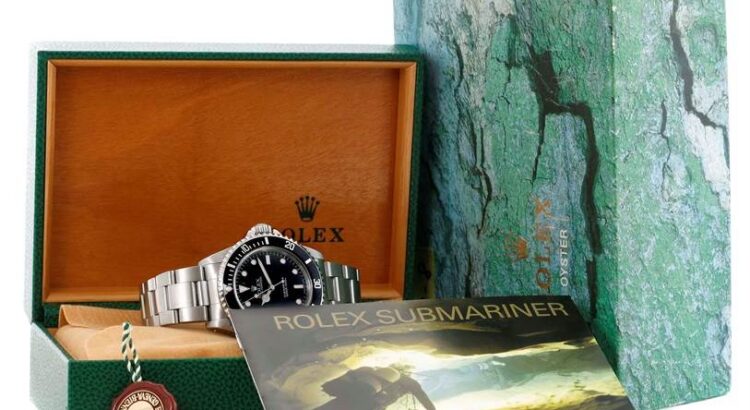
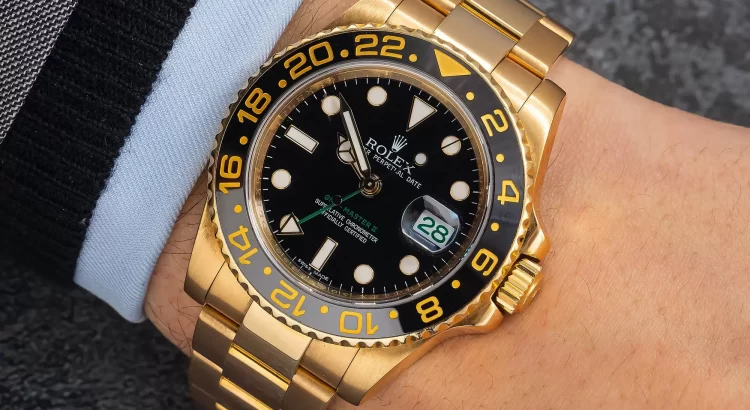
In contrast, the Rolex Submariner, a trailblazer since its inception in 1953, set new benchmarks for water resistance and durability in dive watches. With over 70 years of heritage, the Submariner has become an icon of horological excellence, revered for its timeless design and unwavering precision. Notable advancements include the introduction of the Cyclops lens in 1954 and the transition to Cerachrom bezels in 2008, showcasing Rolex’s commitment to innovation and craftsmanship.
Delving into the comparison, we explore various facets of these exceptional watches, including design, technology, quality, and pricing, to aid enthusiasts in making an informed choice that aligns with their preferences and lifestyle.
Omega Seamaster 300M History:
The Omega Seamaster 300M, launched in 1993, quickly garnered attention for its blend of performance and style. Notable moments include its appearance on Free Diver Roland Specker’s wrist during a world record-breaking dive and its iconic role as James Bond’s watch in multiple films. With innovations like the Co-Axial escapement and anti-magnetic properties, the Seamaster 300M continues to set new standards in dive watch technology.
Rolex Submariner History:
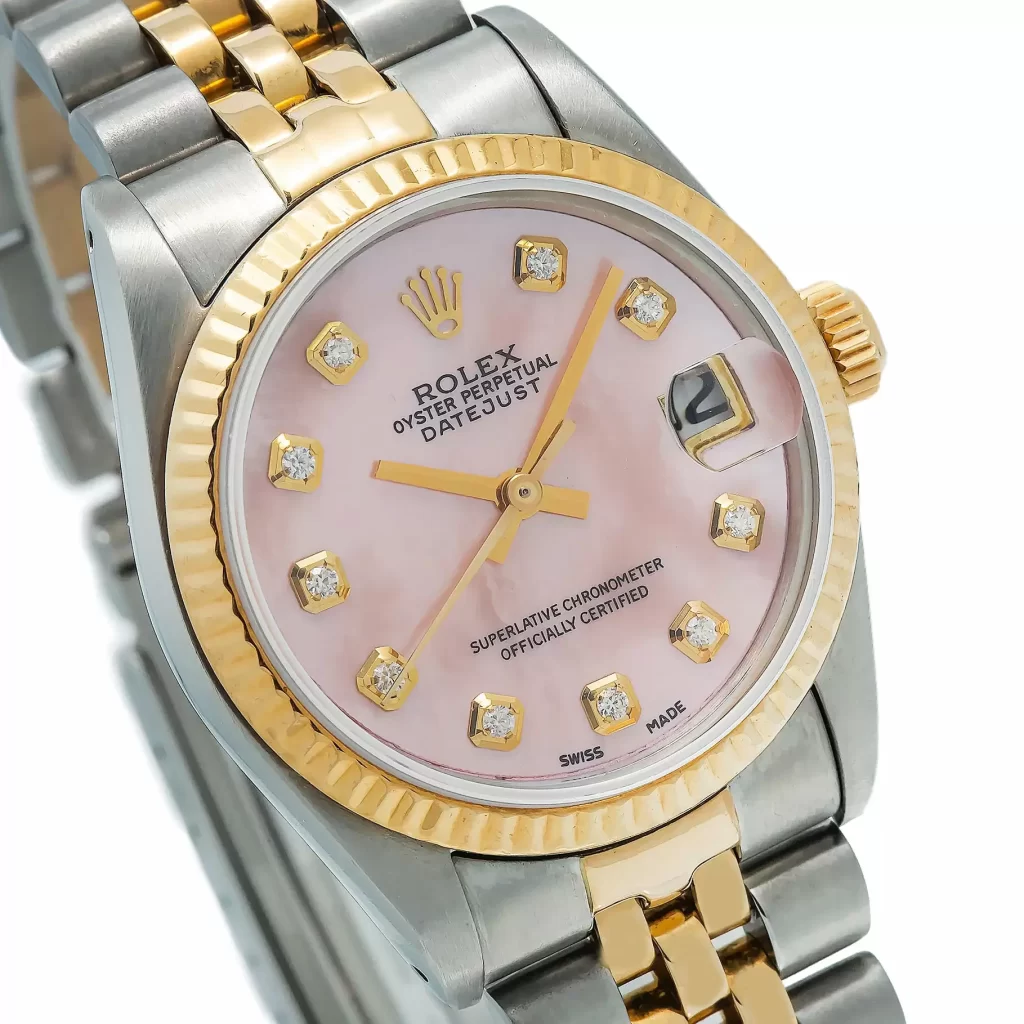
Since its introduction in 1953, the Rolex Submariner has been synonymous with excellence in dive watches. Milestones include its pioneering water resistance of up to 100 meters and innovations like the Cyclops lens and Cerachrom bezels. Worn by influential figures and featured in popular culture, the Submariner remains a benchmark of quality and reliability.
Comparison:
While both the replica Omega Seamaster 300M and Rolex Submariner are revered classics, their differences cater to varied tastes and budgets. The Submariner boasts a longer lineage and a timeless design, appealing to those seeking a heritage watch with enduring appeal. In contrast, the Seamaster 300M offers a sportier aesthetic and innovative features like the Co-Axial movement, ideal for enthusiasts prioritizing modern technology and versatility.
Design:
The Seamaster 300M features a bold and sporty design with a distinctive wave dial and helium escape valve, while the Submariner exudes elegance with its iconic Oyster case and bracelet. The choice between the two depends on individual preferences, with the Seamaster appealing to those seeking a larger, more adventurous watch, and the Submariner catering to those favoring a refined, versatile design.
Technology:
Both replica watches boast advanced technology, with the Seamaster 300M equipped with Omega’s Co-Axial movement and anti-magnetic properties, and the Submariner featuring Rolex’s proprietary materials like Oystersteel and Cerachrom bezels. While the Seamaster emphasizes precision and reliability, the Submariner prioritizes durability and longevity, reflecting the ethos of their respective brands.
Quality:
Omega and Rolex uphold the highest standards of quality and craftsmanship, ensuring that both the Seamaster 300M and Submariner exemplify excellence in watchmaking. From meticulous attention to detail to rigorous testing processes, both brands guarantee watches that withstand the test of time and maintain their value for generations.
Pricing:
While luxury watch prices vary based on factors like materials and features, the Submariner generally commands a higher price range compared to the Seamaster 300M, reflecting its prestigious brand image and enduring legacy. However, the decision ultimately hinges on individual preferences and budget considerations, with both watches offering exceptional value within the luxury watch market.
Choosing Between Seamaster 300M and Submariner:
Enthusiasts opting for the Seamaster 300M value its sporty design, innovative technology, and association with James Bond, while those selecting the Submariner prioritize its timeless elegance, robustness, and prestigious brand heritage.
Whether one leans towards the adventurous spirit of the Seamaster 300M or the timeless sophistication of the Submariner, both watches represent the pinnacle of horological craftsmanship, ensuring a lifetime of style and performance for discerning enthusiasts.